

Could your well water be affecting your family?
Your water can look, smell and taste normal while conditions inside your well are changing. Knowing a few common risk factors can help you decide when it may be worth looking deeper.
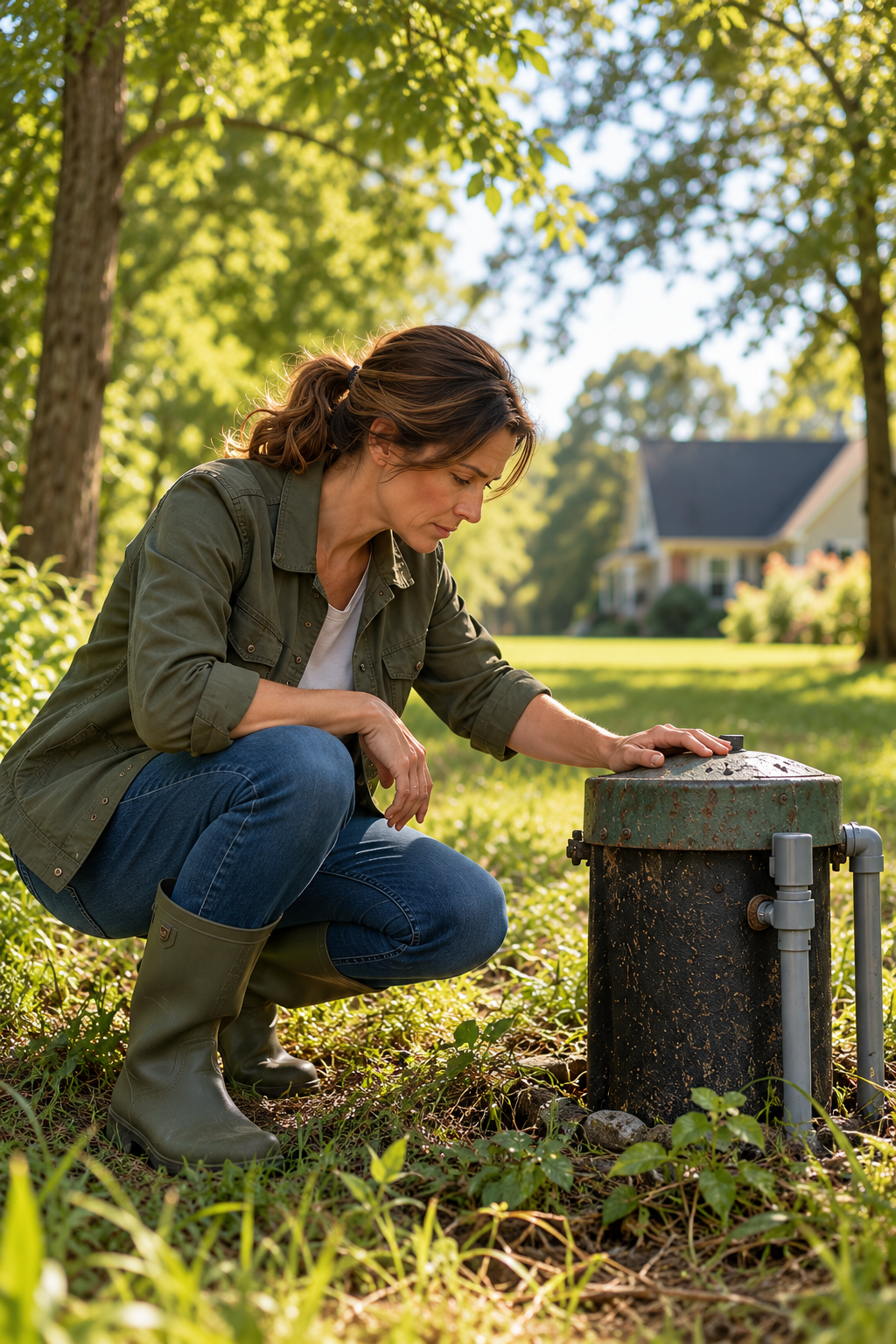
How would you know?
Your water does not have to look dirty or smell unusual for conditions inside your well to have changed. You may want to take a closer look if:
You've only had basic or real estate testing in the past
You have ongoing concerns about your family's health
You've had recent flooding, heavy rain, or a major weather event
You've noticed changes in the smell, taste, or appearance of your water
You've had recent repairs to your well or plumbing
Your well hasn't been used in a while, or has been used sparingly
Any one of these does not necessarily mean there is a problem.
But they can be good reasons to look beyond the basics and get a clearer picture of your well.
What can you do next?
You do not have to guess what is happening inside your well.
elowelle screens beyond the limited set of contaminants included in many standard or basic well tests, helping you get a clearer picture of the microbial conditions in your water.
Your results are designed to help you understand what was found and what steps, if any, may make sense next.

Don’t Go Through What We Did
As a mother of five, our founder understands just how frustrating it can be to chase down symptoms without clear answers. Her family’s journey led to the discovery of biofilm and microbial overgrowth in their own well—after passing every traditional test.
Even water that “tests clean” can still contain biofilm imbalances that impact your family’s health and the integrity of your water system.
Her experience shaped our mission: to bring visibility, support, and solutions to families just like yours. We partner with an experienced environmental lab and water microbiologists to ensure your test results are reliable.
Well Water In the News
Maryland Study Finds E. coli in 10% of Private Wells
Researchers found E. coli in 10% of tested private wells and total coliform bacteria in 43%. The findings highlight how well construction, maintenance, and environmental conditions can affect drinking water quality.
Read more: University of MarylandWisconsin Adopts New Groundwater Standards for Six PFAS Chemicals
Wisconsin has adopted new groundwater standards for six PFAS chemicals. State officials estimate approximately 32,000 private wells could exceed the new limits, raising concerns about water safety and the need for testing.
Read more: Wisconsin Public RadioMinnesota Testing Reveals Widespread Arsenic in Private Wells
Testing of 314 private wells in Mower County found detectable arsenic in nearly 60% of samples. Investigators also identified bacteria, nitrate, lead, and manganese concerns, reinforcing the importance of comprehensive well water testing.
Read more: KTTC NewsOregon Investigation Identifies Multiple Contaminants in Domestic Wells
An Oregon health investigation identified concerns involving arsenic, nitrate, coliform bacteria, lead, and manganese in domestic wells near Prineville. The findings demonstrate that private wells can face multiple water-quality challenges requiring different responses.
Read more: Oregon Health Authority