
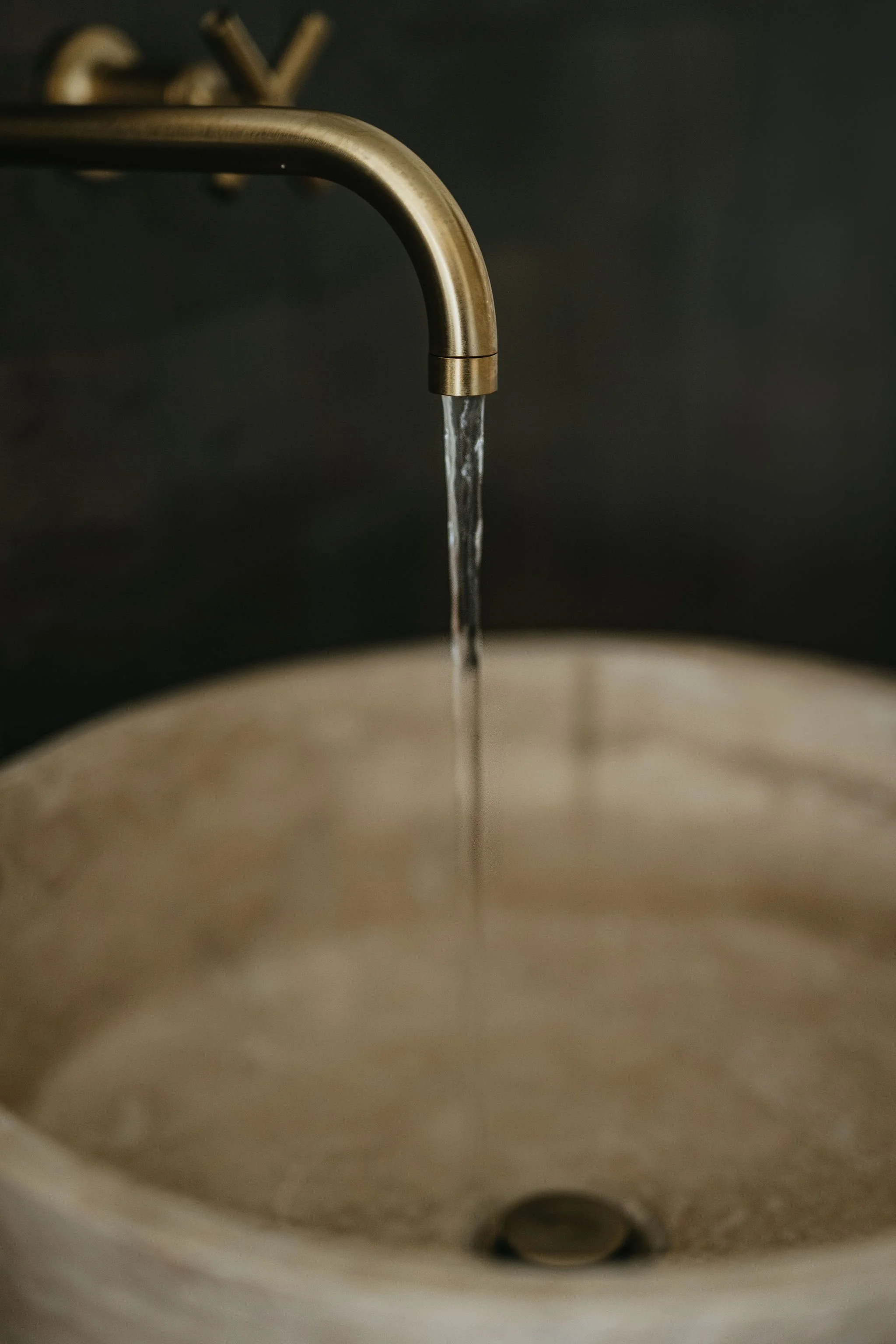
Designed for Families. Backed by Science.
Protect your water.
Protect your home.
Protect your health.
Protect your water. Protect your home. Protect your health.
Just like your gut, your water system can host microorganisms that impact your family’s well-being. Our tests look beyond contaminants to evaluate your well’s biostability.

The Science Behind Well Microbiome Testing
When most people think about water testing, there’s a simple checklist:
□ Does it look clear?
□ Does it smell funny?
□ Is it free of bacteria?
□ Is there lead or arsenic?
But what traditional tests often overlook is the living, dynamic microbial community inside your well. Every well has its own microbial signature. That signature is shaped by everything from the depth and age of your well to the surrounding soil, plumbing materials, and seasonal changes.
At Elowelle, we focus on the biostability of your well — because what lives inside your water matters just as much as what’s been filtered out. Beyond identifying microbes, our testing shows how your well’s microbiome behaves: its balance, stability and potential risks.
Wait…What Risks?
Your well isn’t just a container for water. Like the human gut, it hosts a living community of microbes — and that community can become imbalanced. When biofilms form and grow unchecked, they can influence both your water quality and your system’s long-term performance.
And, just like in the human body, when the microbial balance is off, risks can increase:
• Biofilm buildup can harbor bacteria, fungi, and pathogens that often evade traditional filters and testing methods.
• Chronic low-level exposure to microbial overgrowth can impact gut health and immune function, or even lead to skin conditions and respiratory symptoms.
• Damage to your water system can be a byproduct of specific biofilm conditions if they are not identified and rebalanced.
That’s why our focus is on supporting the biostability of your well, helping you maintain healthy water, prevent costly repairs, and extend the life of your system.
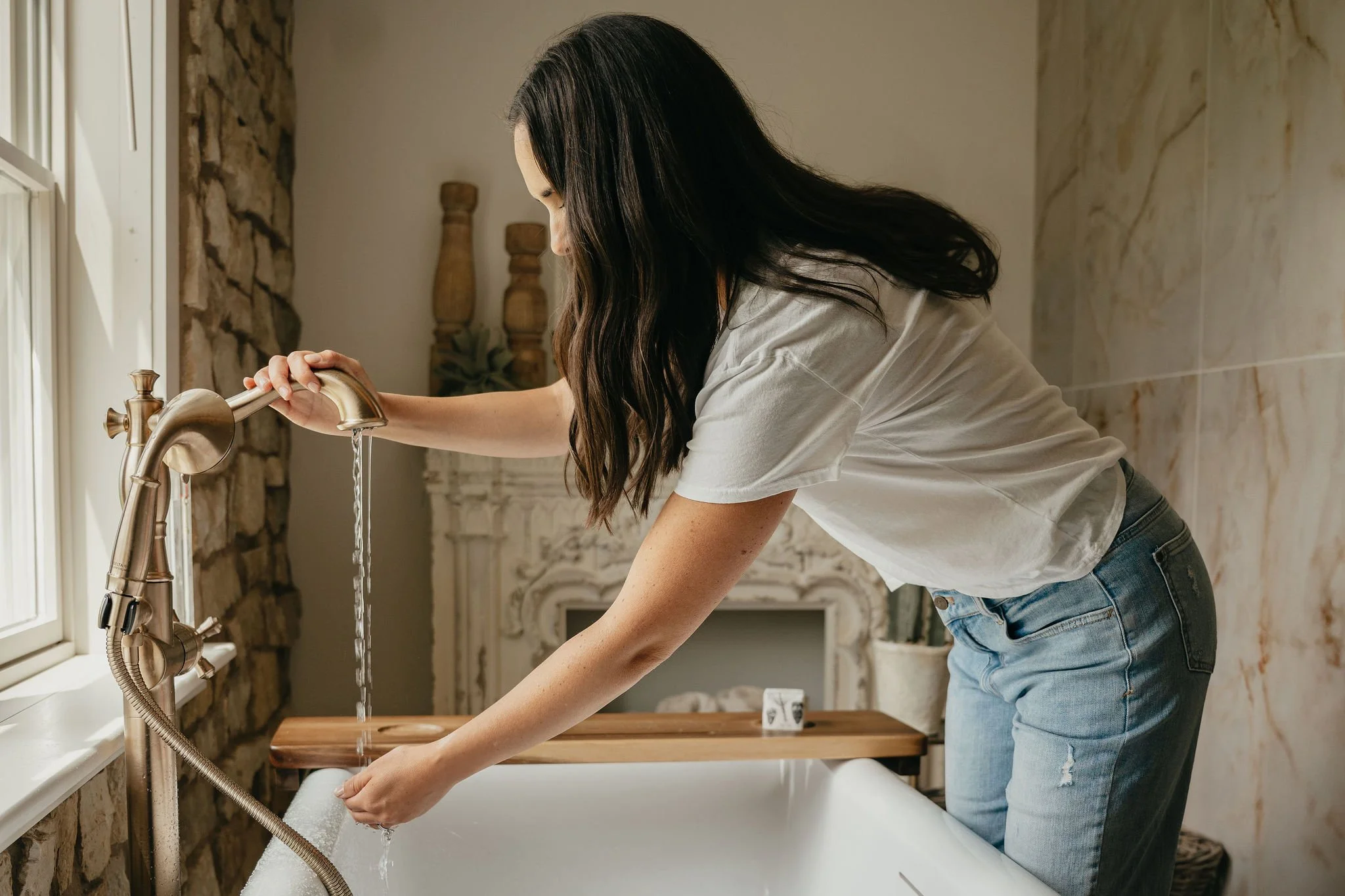
Don’t Go Through What We Did
As a mother of five, our founder understands just how frustrating it can be to chase down symptoms without clear answers. Her family’s journey led to the discovery of biofilm and microbial overgrowth in their own well—after passing every traditional test.
Because even water that “tests clean” can still contain biofilm imbalances that impact your family’s health and the integrity of your water system.
Her experience shaped our mission: to bring visibility, support, and solutions to families just like yours. We partner with an experienced environmental lab and water microbiologists to ensure your test results are both reliable and relevant.

What’s Really in Your Water?
At Elowelle, we are committed to protecting every family that drinks and uses well water. Because water is life — and you deserve to know what’s in yours.
FAQ
Understanding Biofilm & Microbiology
What is biofilm, and why does it form?
Biofilm is a structured layer of microorganisms that attaches to surfaces inside your well and plumbing. In moderation, biofilm formation is natural. But when conditions shift (due to stagnation, minerals, temperature, or changing pH levels), biofilm communities can destabilize and harbor opportunistic bacteria..
What is biofilm in a well?
Biofilm is a slimy microbial layer that grows inside pipes and wells, sometimes trapping pathogens. Biofilms are a normal and inevitable occurrence in wells that form over time, but unstable biofilm levels can allow for harmful bacteria and problematic pathogens to flourish.
What exactly are well water bacteria?
Bacteria in wells may include both harmless and harmful strains, both of which can occur naturally in your system. Proper water testing assesses these bacterial strains and the microbiome in your well to guide filtration and treatment, if needed.
What is a well water microbiome?
Your well has an invisible ecosystem of bacteria and other microorganisms known as a microbiome. This living community shapes your water’s quality, safety, and long-term stability.
At Elowelle, we assess your microbiome using biostability, measuring how stable and balanced it remains over time. Because microbes naturally organize into biofilms inside wells, we use biofilm stability as our readout. When your well’s biofilm is unstable, the risk for microbial issues rises. That early signal lets us guide the right steps to protect the long-term health of your water.
Elowelle: How Testing Works
How does Elowelle measure bioinstability?
Elowelle evaluates patterns within your water’s microbial community to determine how stable or imbalanced your well ecosystem is. These results are then compared against established benchmarks from healthy wells to create your overall biostability profile.
Does Elowelle detect specific pathogens?
Our test doesn’t diagnose pathogens directly. Instead, it evaluates your microbial ecosystem as a whole to flag environments where unwanted microbes could thrive. If your results suggest risk, we’ll guide you toward targeted follow-up testing and remediation.
Biostability Basics
What is well water biostability?
Biostability is a measure of how stable, resilient, and balanced your well’s microbiome is over time. Instead of just identifying microbes, we assess how your water’s microbial community behaves—its balance, resilience, and potential for harmful biofilm growth. A biostable well helps protect the long-term health and safety of your water.
Why should I test my well’s biostability?
Even clear, good-tasting water can hide microbial instability. Over time, that instability can lead to biofilm buildup, pipe corrosion, unpleasant odors, and microbial communities that are difficult to treat. Early detection allows you to maintain a stable, resilient system and prevent costly issues down the road.
Your Water Test Results
What does a well water test show?
A reliable water test should reveal whether there is a risk of any contaminants or concerning microbial communities growing in your well. Unfortunately, most standard tests can give you a ‘clear’ test result even when there’s a problem (which was the case for our founder, Kelly). Elowelle’s water microbiome analysis reveals hidden risks that standard water tests often fail to screen for.
Care & Treatment
How to treat well water?
Water treatment may involve chlorination, filtration, or other biostable-informed solutions, depending on the root cause of the problem.